Guide to planning your factory layout with weaving machines
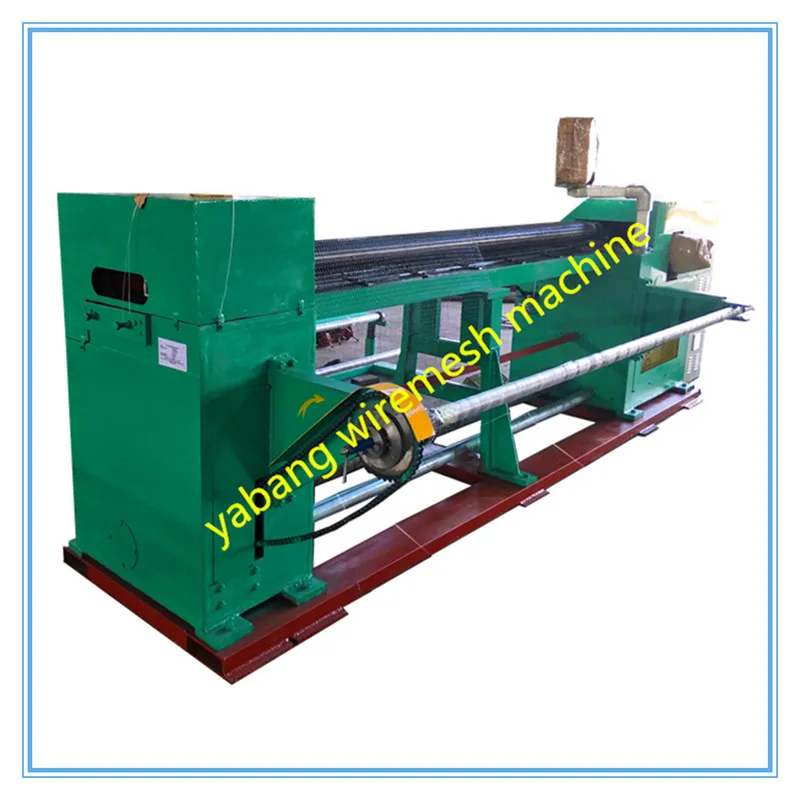
When optimizing the operations of a weaving factory, a well-considered factory layout is vital. Utilizing a Wire Mesh Weaving Machine effectively within your space can enhance productivity and efficiency. This guide aims to provide you with actionable steps and considerations for planning your factory layout, ensuring you maximize the space and facilitate smooth operations.
1. Assess Your Space: Measuring and Mapping
- Measure Your Factory Floor: Ensure you have accurate measurements of your factory space, including height, width, and any obstructions (columns, walls).
- Create a Scale Map: Use graph paper or a digital tool to create a scale model of your factory layout. Mark all fixtures, electrical outlets, and access points.
- Evaluate Current Equipment: List all the weaving machines, including the Wire Mesh Weaving Machines, and their dimensions to understand space needs.
2. Define Production Workflow
- Identify Key Processes: Outline each step of your weaving process, from raw material input to finished product output.
- Map the Flow of Materials: Determine how materials and finished products will move throughout your facility to minimize backtracking.
- Maintain Clear Pathways: Ensure that there are clear and designated pathways for operators to move safely without obstruction.
3. Positioning of Weaving Machines
- Centralized Setup: Place Wire Mesh Weaving Machines centrally in the layout to facilitate easier access and monitoring by staff.
- Proximity to Raw Materials: Position weaving machines near raw material storage areas for quick access to materials, reducing waiting times.
- Consider Maintenance Access: Ensure sufficient space around the machines for maintenance and serviceability without disrupting workflow.
4. Implement Workstations
- Create Dedicated Workstations: Establish areas for operators to set up their tools, perform inspections, and manage quality control.
- Incorporate Ergonomics: Design workstations with ergonomics in mind to reduce strain and improve efficiency, considering operator comfort.
- Utilize Technology: Equip workstations with necessary technology (computers, software) that aids in monitoring production and performance.
5. Safety and Compliance Considerations
- Regulatory Requirements: Familiarize yourself with OSHA standards and local regulations regarding factory layout and worker safety.
- Emergency Exits: Ensure that emergency exits are clearly marked and unobstructed, accessible from all areas of the factory.
- Implement Safety Protocols: Train staff in safety protocols related to machinery operation and emergency procedures.
6. Evaluate and Optimize Layout Continuously
- Solicit Employee Feedback: Regularly ask for feedback from staff on the layout and workflow to understand practical challenges they face.
- Monitor Efficiency: Use KPIs to track performance and identify areas for improvement in the layout.
- Adapt to Changes: Be ready to adjust the layout in response to changes in production needs, machine upgrades, or technology advancements.
Conclusion
In planning a factory layout with weaving machines, careful consideration of space, workflow, machine positioning, and safety protocols is essential. By following the outlined steps, you can create an efficient and productive weaving operation that maximizes the use of Wire Mesh Weaving Machines and enhances overall output. Remember, the layout should be flexible and adaptable to changing needs over time for continuous improvement.
For further reading and resources, refer to industry publications from TechSoup or NIST on best practices in manufacturing layouts and safety standards.


评论
发表评论